Blogs

ABA Therapy and Understanding Personal Space

Children with autism spectrum disorder (ASD) commonly struggle with communication and social interactions. They have particular trouble expressing themselves or understanding social norms. Much of this can come from the fact that identifying and interpreting non-verbal cues such as body language, facial expressions and tone of voice can be challenging for children with autism. Unfortunately, […]

Why is ABA Therapy Customized for Each Child?

Applied behavior analysis (ABA therapy) is considered to be the leading treatment plan for children with autism spectrum disorder (ASD). Based on scientific evidence about learning and behavior, ABA therapy uses many different strategies, techniques and tools to help children with autism build social and communication skills, while also modifying certain negative behaviors. There are […]

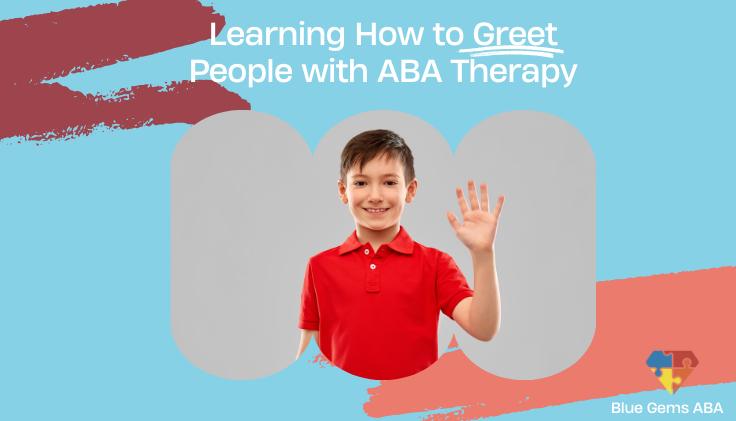
Learning How to Greet People with ABA Therapy

Saying hi or waving may seem like a simple skill, but it’s an extremely important aspect of building meaningful social interactions. When we greet people, we are letting them know that we recognize them, that we’re happy to see them and that they’re welcome. Children learn the basic forms of greeting at a young age. […]

Why is Consistency Important in ABA Programs?

Consistency is key to reinforcing new skills and behaviors that all children learn. It’s especially so for children with autism spectrum disorder (ASD), who often thrive on routine and predictability. This is a major reason why consistency is one of the cornerstones of ABA therapy, or applied behavior analysis. When skills and behaviors are taught […]

The Matching Law in ABA Therapy

Applied behavior analysis, or ABA therapy, is a leading treatment for people with autism spectrum disorder (ASD). It’s rooted in scientific research and evidence surrounding behavior, including what causes certain behaviors and ways in which you can influence the response to certain inputs. ABA therapy takes a very unique approach to learning, helping children with […]

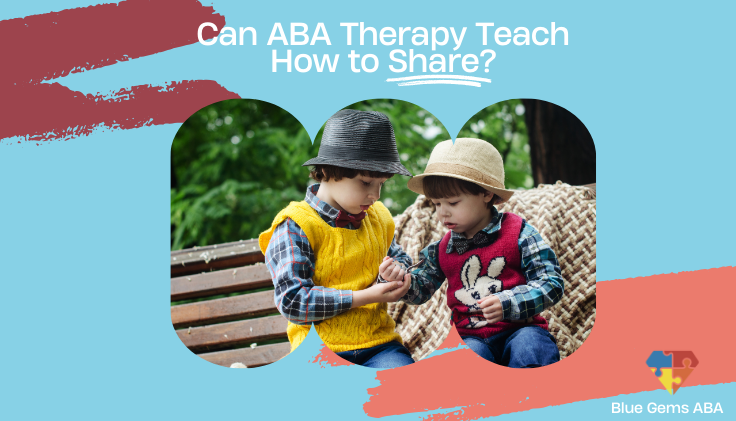
Can ABA Therapy Teach How to Share?

There are skills that children learn from a young age that have a profound impact on the rest of their lives. Something as simple as learning to share and take turns can have monumental effects on developing meaningful relationships and working in groups, for example, both of which deeply apply to someone’s personal and professional […]

Labeling Objects and People (Tacting)

Children with autism spectrum disorder (ASD) typically struggle with general communication, though how that challenge expresses itself is different with each child. For instance, some children may miss developmental milestones related to speaking, while others may not speak at all. In addition, children with autism also commonly have problems with non-verbal communication, such as identifying […]

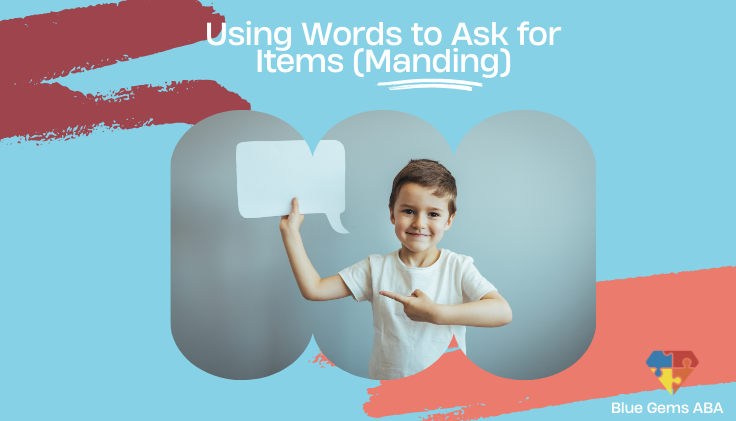
Using Words to Ask for Items (Manding)

Making requests is a vital part of communication. Without the ability to effectively ask for items or things, for example, children often won’t be able to get their needs met. Unfortunately, this situation commonly happens for children with autism spectrum disorder (ASD), who typically face challenges with communication.  While each individual’s particular communication deficit might […]

ABA Therapy and Learning Patience

Patience may be a virtue, but it’s something that most children have trouble exhibiting on a consistent basis. A child often wants things immediately and doesn’t want to wait for them. Yet, patience is a basic skill that all children must learn to master. When children can exhibit patience, it helps them to be in […]

Let's do this together

Are you ready to see your child succeed?

We're your child's next best friend