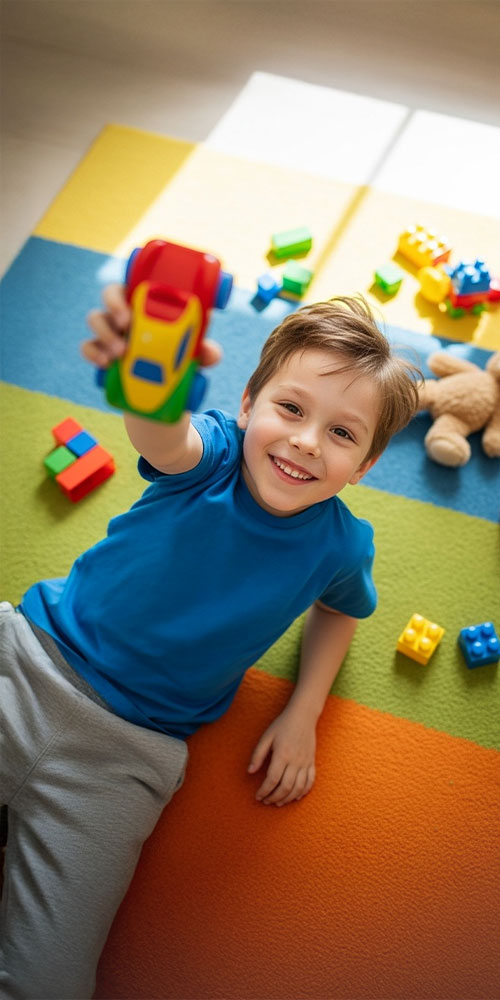
Helping children build skills after the
school day ends

After-school hours can be an important time for children to continue learning, practice social skills, and build confidence. After School ABA Therapy provides structured support in a familiar, supportive environment where children can develop meaningful skills while still enjoying the routine and rhythm of their day.

At Blue Gems, our after-school programs combine evidence-based Applied Behavior Analysis (ABA) with engaging, child-focused activities that help children practice communication, social interaction, independence, and emotional regulation. The goal is to create steady progress while making learning feel natural and encouraging.

How our work works for you

Convenient
scheduling
Creating consistent
routines
Supporting
emotional regulation

How After-School ABA Therapy Works

Every child’s program is personalized based on their developmental needs, strengths, and goals.

Individualized treatment plans

Our Board Certified Behavior Analysts (BCBAs) design therapy plans that focus on meaningful goals such as communication, independence, and social development.

Engaging learning activities

Sessions combine structured teaching with play-based learning and real-life practice to keep children motivated and engaged.

Progress
monitoring

We track progress using data-driven methods to ensure therapy is effective and continuously adjusted as your child grows.

Collaboration with families and schools

Our team works closely with parents, caregivers, and educators to ensure consistency between therapy, school, and home environments.

Helping Children Build Skills That Last

After-school ABA therapy allows children to continue practicing important life skills in a supportive and encouraging setting. Through personalized programs, compassionate clinicians, and family collaboration, Blue Gems helps children build confidence, independence, and meaningful progress.

How to Prepare for After-School ABA Therapy

A consistent, supportive routine can help children transition smoothly from school to after-school ABA therapy. Providing a short break, snack, or quiet time after the school day can help your child feel rested and ready to engage in therapy activities. It’s also helpful to share any important updates from the school day with your therapy team so they can tailor the session to your child’s needs. Encouraging a positive mindset and reminding your child that therapy is a safe space to learn and grow can make the experience more comfortable and productive. Staying connected with your child’s clinicians and maintaining open communication helps ensure that therapy goals remain aligned with your child’s development at home and at school.

Your questions, answered

Let's do this together

Get Started Today

If you’re interested in learning more about After-School ABA Therapy, our team is here to help guide you through the next steps and answer any questions you may have.

We're your child's next best friend