



When a child receives a diagnosis of autism spectrum disorder (ASD), parents are often introduced to a wide range of therapies, medical jargon and treatment options. Among these, Applied Behavior Analysis (ABA therapy) is widely recognized as the gold standard for supporting individuals on the spectrum.
However, many parents initially ask a fundamental question: What is ABA therapy actually used for?
ABA therapy is an evidence-based approach designed to help individuals understand how behavior works, how it is affected by the environment and how learning takes place.13 Rather than taking a one-size-fits-all approach, ABA therapy breaks down complex skills into manageable steps, making daily life easier and more fulfilling for children with autism and their families.9
In this article, we will explore the primary uses of ABA therapy, how it helps children build essential skills and how it supports long-term independence.
Key Takeaways
- ABA therapy can address communication, social, daily living, behavioral, academic and play skills.
- Treatment goals are individualized according to each child’s strengths, needs and preferences.
- Complex skills can be divided into smaller, manageable steps to support learning and independence.
- Data collected during therapy helps the treatment team measure progress and adjust interventions when needed.
The Core Objectives of ABA Therapy
The primary goal of ABA therapy is to increase helpful behaviors while reducing behaviors that may interfere with learning, safety or daily life.1 Because autism presents differently in every individual, the specific applications of ABA vary from child to child.2
Whether implemented in a home, school or clinical setting, ABA therapy focuses on meaningful, real-world applications that improve a child’s quality of life.3
Key Applications of ABA Therapy
ABA therapy addresses several core areas of growth to foster independence and confidence in children on the spectrum.45
Developing Communication Skills
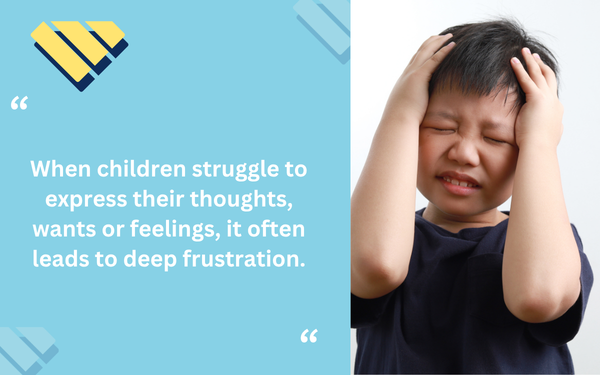
Communication is at the heart of human interaction. When children struggle to express their thoughts, wants or feelings, it often leads to deep frustration. ABA therapy is widely used to build both verbal and non-verbal communication skills.5
Therapists work with children to teach functional communication, such as asking for a favorite toy, indicating when they need a break or using alternative augmentative communication (AAC) devices.67
By giving children a reliable way to express themselves, ABA significantly reduces communication-related distress.
Building Social Connections
Social situations can be complex for children with ASD. ABA therapy helps bridge this gap by teaching key social behaviors in a structured, supportive way.8
Through practice and play, children learn skills such as eye contact, sharing, taking turns, listening to peers and understanding social cues. These strategies help children feel more confident when interacting with family members, classmates and friends.
Fostering Independence in Daily Living Skills
As children grow, gaining independence in daily personal routines is crucial. ABA therapy is used to teach essential life skills, often referred to as adaptive skills, including:34
- Personal hygiene (brushing teeth, washing hands, showering)
- Dressing and getting ready for the day
- Mealtime habits and expanding diet flexibility13
- Toileting and independence in the bathroom14
Therapists often use a technique called task analysis, which breaks a complex task into smaller, sequential steps.9 Children master each step individually until the entire routine becomes second nature.
Reducing Challenging Behaviors
When a child engages in behaviors such as tantrums, aggression or self-injury, it is almost always a response to an unmet need, sensory overload or an inability to communicate.10
ABA therapy uses a data-driven approach to identify the root cause, or “function,” of the behavior.11 Once therapists understand why a behavior is occurring, they introduce positive replacement behaviors that serve the same purpose in a safer, more constructive way.12
Enhancing Academic and Play Skills
In school or daycare settings, children must navigate classroom routines, pay attention to group instruction and interact during unstructured playtimes. ABA therapy helps children build foundational learning skills, such as:
- Following multi-step directions
- Sustaining focus on structured tasks
- Engaging in imaginative and cooperative play
- Managing transitions between activities without distress
How ABA Therapy Adapts to Each Child
One of the greatest strengths of ABA therapy is its adaptability. Prior to starting therapy, a Board Certified Behavior Analyst (BCBA) conducts a thorough assessment of a child’s unique strengths, needs and preferences.12
Using data gathered from parents, direct observation and standardized tools, the BCBA creates a personalized treatment plan.2
Throughout the program, the therapy team continuously collects data during sessions to measure progress. If a child hits a plateau or their needs change, the intervention plan is updated accordingly to ensure steady, meaningful growth.12
Blue Gems ABA Supports Your Child
At Blue Gems ABA, we believe every child deserves the care and tailored support needed to reach their full potential. ABA therapy is about empowering them with the tools, skills and confidence to navigate the world independently.
Our experienced team of BCBAs and Registered Behavior Technicians (RBTs) provides compassionate, individualized ABA services tailored to your family’s daily life. Whether your child needs help building communication, mastering self-care or preparing for school, we are here to support you every step of the way.
To learn more about how our ABA therapy programs can make a difference for your family, please contact us today.
Frequently Asked Questions
- What skills can ABA therapy help children develop?
ABA therapy can address communication, social interaction, daily living, behavior, academic readiness and play skills depending on a child’s individual needs. - Can ABA therapy help with communication?
ABA-based interventions can target functional communication, including verbal and non-verbal communication. AAC may also be incorporated when appropriate. - Can ABA therapy teach daily living skills?
ABA can be used to teach adaptive skills such as hygiene, dressing, mealtime routines and toileting by breaking complex routines into manageable steps. - How does ABA address challenging behaviors?
Behavior analysts can assess the function of a behavior and develop interventions that teach safer, more appropriate replacement behaviors. - Is ABA therapy the same for every child?
No. ABA treatment plans are individualized according to each child’s strengths, needs, preferences and progress.
References
- Centers for Disease Control and Prevention (CDC). “Treatment and Intervention for Autism Spectrum Disorder.” https://www.cdc.gov/autism/treatment/index.html
- American Academy of Pediatrics. “Identification, Evaluation, and Management of Children With Autism Spectrum Disorder.” https://publications.aap.org/pediatrics/article/145/1/e20193447/36917/
- “Applied Behavior Analysis in Children and Youth with Autism Spectrum Disorders: A Scoping Review.” PubMed. https://pubmed.ncbi.nlm.nih.gov/36249174/
- “Comprehensive ABA-based interventions in the treatment of children with autism spectrum disorder: a meta-analysis.” PubMed. https://pubmed.ncbi.nlm.nih.gov/36864429/
- “Efficacy of Interventions Based on Applied Behavior Analysis for Autism Spectrum Disorder: A Meta-Analysis.” PubMed. https://pubmed.ncbi.nlm.nih.gov/32375461/
- American Speech-Language-Hearing Association. “Augmentative and Alternative Communication.” https://www.asha.org/practice-portal/professional-issues/augmentative-and-alternative-communication/
- American Speech-Language-Hearing Association. “Autism and Autism Spectrum Disorder.” https://www.asha.org/practice-portal/clinical-topics/autism/
- “Effectiveness of social skills training interventions for children with autism spectrum disorder: A systematic review and meta-analysis.” PubMed. https://pubmed.ncbi.nlm.nih.gov/40096975/
- UNC Frank Porter Graham Child Development Institute / National Professional Development Center on ASD. “Evidence-Based Practices Report.” https://autismpdc.fpg.unc.edu/sites/autismpdc.fpg.unc.edu/files/imce/documents/2014-EBP-Report.pdf
- National Institute for Health and Care Excellence (NICE). “Autism spectrum disorder in under 19s: support and management.” https://www.nice.org.uk/guidance/cg170/chapter/Recommendations
- American Academy of Pediatrics. “Identification, Evaluation, and Management of Children With Autism Spectrum Disorder.” https://publications.aap.org/pediatrics/article/145/1/e20193447/36917/
- Behavior Analyst Certification Board. “Ethics Code for Behavior Analysts.” https://www.bacb.com/wp-content/uploads/2022/01/Ethics-Code-for-Behavior-Analysts-240830-a.pdf
- American Academy of Pediatrics. “Identification, Evaluation, and Management of Children With Autism Spectrum Disorder.” https://publications.aap.org/pediatrics/article/145/1/e20193447/36917/Identification-Evaluation-and-Management-of
- American Academy of Pediatrics. “Toilet Training—Autism Toolkit.” https://publications.aap.org/patiented/article/doi/10.1542/peo_document598/82064/Toilet-Training-Autism-Toolkit
- “Autism intervention meta-analysis of early childhood studies (Project AIM): updated systematic review and secondary analysis.” PubMed. https://pubmed.ncbi.nlm.nih.gov/37963634/
