


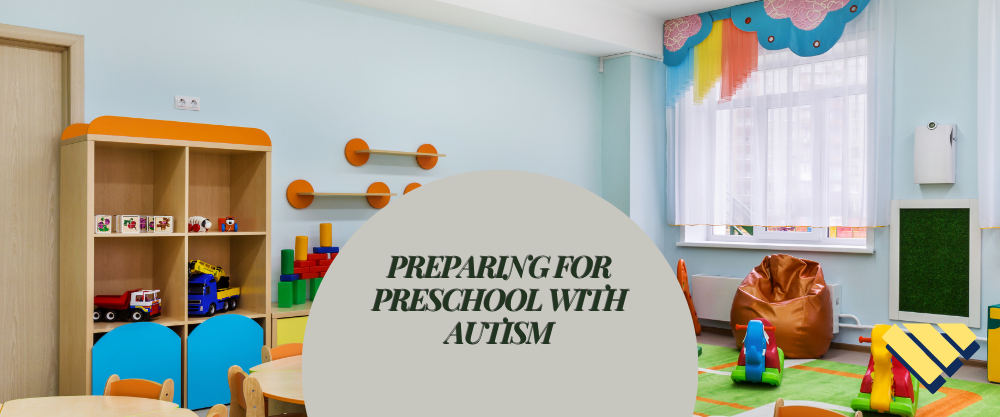
Entering preschool is a major developmental milestone for any young child, but for a child with autism spectrum disorder (ASD), it represents a particularly significant shift in routine. Entering a classroom setting introduces a new sensory environment, unfamiliar social dynamics and structured group expectations that can feel overwhelming at first.1
For parents, preparing an autistic child for preschool requires proactive planning, intentional skill-building and open communication with educators and clinical support teams. With early preparation and structured support, you can help your child build the confidence and independence needed for a positive start to their school journey.2
In this article, we’ll discuss how preschool impacts children on the autism spectrum, key strategies to prepare your child at home and how Applied Behavior Analysis (ABA therapy) supports a successful transition.
Key Takeaways
- Predictable routines and visual supports can help children become familiar with preschool expectations.
- Practicing self-help skills at home can support greater confidence and independence.
- Visiting the classroom before the first day can help make the new setting more familiar.
- Individualized ABA therapy can target communication, classroom readiness and transitions.
How Does Entering Preschool Affect Children with Autism?
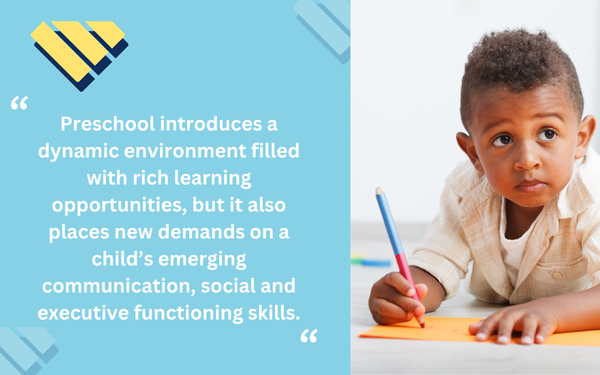
Preschool introduces a dynamic environment filled with rich learning opportunities, but it also places new demands on a child’s emerging communication, social and executive functioning skills.1
Understanding these shifts helps parents and therapists proactively address potential challenges before the first day of school.7
Practical Strategies to Prepare Your Child at Home
Preparing your child for preschool is a gradual process that works best when broken down into manageable daily steps. Implementing consistent strategies at home helps build familiarity and reduces anxiety surrounding the unknown.15
Establish Predictable Daily Routines
Classrooms operate on structured timelines. You can help your child adapt by aligning home routines with typical school schedules.3
Practice waking up, eating breakfast and dressing at consistent times. Introduce structured “learning times” where your child sits for a brief activity, followed by scheduled free play.
Utilize Visual Schedules and Social Stories
Visual supports are invaluable tools for children on the autism spectrum. Create a visual schedule using picture cards to illustrate what a school day looks like, from drop-off and circle time to snack, outdoor play and pick-up.414
Reading social stories about preschool can also help demystify the experience. Stories with simple language and pictures showing children sitting in circle time, hanging up their backpacks and saying goodbye to parents can provide comfort and clarity.5
Practice Essential Self-Help Skills
Preschool teachers support all students, but building early self-help habits gives your child greater confidence. Focus on practicing simple skills at home, such as …6
- Opening lunchboxes and snack containers independently
- Putting on and taking off shoes or jacket
- Washing hands with soap and drying them thoroughly
- Indicating when they need to use the restroom or need help
Arrange Visits to the Classroom
Whenever possible, schedule a walkthrough of the school prior to the first official day. Allow your child to explore the classroom, locate the bathroom, visit the playground and meet their teacher when the room is quiet.8
Taking photos during your visit allows you to review the familiar setting together at home before school starts.
| Preparation Strategy | What Parents Can Do | Preschool Skill Supported |
|---|---|---|
| Establish predictable routines | Practice consistent waking, breakfast, dressing, learning and play routines. | Following structured daily schedules |
| Use visual schedules and social stories | Use pictures and simple stories to preview school activities and expectations. | Understanding routines and upcoming activities |
| Practice self-help skills | Practice opening containers, dressing, handwashing and communicating when help is needed. | Greater independence with everyday classroom needs |
| Visit the classroom | Explore the classroom, bathroom and playground and meet the teacher before school begins. | Familiarity with the school environment |
How ABA Therapy Supports the Preschool Transition
ABA therapy plays an integral role in preparing young children with autism for educational settings. Because ABA therapy is highly individualized, a Board Certified Behavior Analyst (BCBA) can design target goals specifically aimed at classroom readiness.9
Through targeted early intervention programs, ABA therapy helps children build foundational skills that directly translate to the classroom, including …10
- Pivotal Pre-Academic Skills: Practicing sustained attention during group activities, sitting at a table and following multi-step directions
- Functional Communication Training (FCT): Teaching children effective ways to express their needs – whether through speech, gesture, picture exchange (PECS) or an AAC device – so they can advocate for breaks or assistance111213
- Behavioral Regulation: Learning coping strategies for emotional overwhelm and practicing smooth transitions between high-preference (play) and low-preference (work) activities
- School Collaboration: Collaborating directly with parents, school staff and special education teams to align goals and ensure consistent support across home, clinic and school environments.16
Blue Gems ABA Supports Your Child’s Educational Journey
Transitioning to preschool is an exciting step in your child’s growth. By building routines, fostering self-help skills and leveraging targeted behavioral supports, you can help your child step into the classroom with confidence.
At Blue Gems ABA, our experienced clinical teams specialize in early intervention and classroom readiness programs. We work closely with families to evaluate every child’s unique strengths and needs, creating personalized treatment plans that empower them to thrive in school and beyond.
To learn more about our early intervention services and preschool preparation support, please contact us today.
Frequently Asked Questions
- How can I prepare my autistic child for preschool?
Practice predictable routines, visual schedules, self-help skills and common school activities gradually at home. A classroom visit before the first day can also make the environment more familiar. - Are visual schedules helpful when preparing for preschool?
Visual schedules can show children what activities will happen and in what order. Pictures or words can be used depending on the child’s communication and learning needs. - What self-help skills should my child practice before preschool?
Useful skills can include opening food containers, putting on or taking off clothing, washing hands and communicating when help or a restroom break is needed. - How can ABA therapy help with preschool readiness?
Individualized ABA programs can target skills such as communication, following directions, participating in activities and transitioning between tasks. Goals should be based on each child’s individual strengths and needs. - Should my child visit the preschool classroom before the first day?
When possible, a pre-school visit can give your child an opportunity to become familiar with the classroom, teacher, bathroom and playground. Photos from the visit can also be reviewed at home.
References
- Centers for Disease Control and Prevention (CDC). Signs and Symptoms of Autism Spectrum Disorder.
- Centers for Disease Control and Prevention (CDC). Accessing Services for Autism Spectrum Disorder.
- Centers for Disease Control and Prevention (CDC). Treatment and Intervention for Autism Spectrum Disorder.
- UNC Frank Porter Graham Child Development Institute, National Professional Development Center on Autism Spectrum Disorders. Visual Schedules.
- UNC Frank Porter Graham Child Development Institute, National Professional Development Center on Autism Spectrum Disorders. Social Narratives.
- Centers for Disease Control and Prevention (CDC). Treatment and Intervention for Autism Spectrum Disorder.
- U.S. Department of Education, Office of Special Education Programs. 2023 Early Childhood Transition Questions and Answers.
- U.S. Department of Education, Office of Special Education Programs. Guidance on Creating an Effective Memorandum of Understanding to Support High-Quality Inclusive Early Childhood Systems.
- American Academy of Pediatrics. Identification, Evaluation, and Management of Children With Autism Spectrum Disorder.
- American Academy of Pediatrics. Management of Children With Autism Spectrum Disorders.
- UNC Frank Porter Graham Child Development Institute, National Professional Development Center on Autism Spectrum Disorders. Functional Communication Training Overview.
- American Speech-Language-Hearing Association (ASHA). Autism and Autism Spectrum Disorder.
- American Speech-Language-Hearing Association (ASHA). Back-to-School: Tips for Supporting Students Who Use AAC Devices.
- UNC TEACCH Autism Program. Structured TEACCHing.
- American Academy of Pediatrics. Early Intervention for Children With Autism Spectrum Disorder Under 3 Years of Age.
- U.S. Departments of Education and Health and Human Services. Policy Statement on Inclusion of Children with Disabilities in Early Childhood Programs.
