
Why ‘Busy Sessions’ Don’t Always Mean Effective ABA

As a parent of a child with autism spectrum disorder (ASD), you may be thrilled if you observe your child active and engaged in their applied behavior analysis (ABA therapy) sessions.
From the outside looking in, constant activity, long hours and a lot of drills may seem like they are contributing to your child building social, communication and daily life skills, while also learning how to better manage their emotions and modify negative behaviors.
However, “busy sessions,” as these can be called, don’t always mean that your child’s ABA therapy is actually effective. In fact, sessions that are packed to the brim with activity can actually hinder your child’s progress rather than help it, especially if this happens for a prolonged period of time.
Below, we’ll discuss why “busy sessions” don’t always mean effective ABA therapy.
| Key Takeaways for Parents |
|---|
| Busy ABA sessions do not automatically equal effective therapy or meaningful progress. |
| Overly intense sessions can lead to burnout, anxiety, resistance, and behavioral regressions. |
| Quality of learning is more important than the quantity of tasks completed in a session. |
| Children need breaks, fun, and preferred activities to stay engaged and motivated. |
| Strong rapport and trust between the child and therapist are essential for long-term success. |
| Child-centered ABA balances structure with flexibility to support emotional well-being and skill mastery. |
Table Of Contents
They Can Result in Burnout and Lead to Resistance
Just like packed workdays can lead to burnout for adults, packed ABA therapy sessions can lead to burnout in children with autism.
Young children need breaks and they need to feel as though they are having fun and doing things that they like. When they don’t get this, they can easily experience significant fatigue.
If ABA therapy sessions are just too intense and continue on for a long stretch that way, children may start to feel as though they’re being pressured to do something they don’t want to do. Your child may start to feel anxious and stressed if this is the case, and they may become overwhelmed easily.
What may result, then, is not meaningful progress but rather resistance to the therapy and even meltdowns or outbursts.
| Issue with Busy Sessions | What It Looks Like | Impact on the Child |
|---|---|---|
| Burnout & Resistance | Long, intense sessions with little downtime, constant drills, and few preferred activities. | Fatigue, anxiety, stress, meltdowns, and resistance to participating in therapy. |
| Reduced Learning Quality | Sessions packed with many tasks, prioritizing completion over understanding. | Skills may be mimicked but not truly learned, making generalization and independence difficult. |
| Breakdown of Trust | Overly demanding sessions that reduce fun, engagement, and rapport with the therapist. | Loss of trust, decreased compliance, emotional distress, and weaker long-term outcomes. |
They May Lose Focus on the Quality of Sessions
The goal of any ABA therapy treatment plan is to help children with ASD make progress toward their stated goals, regardless of what those goals might be. To do this, ABA therapy sessions need to focus on actual learning.
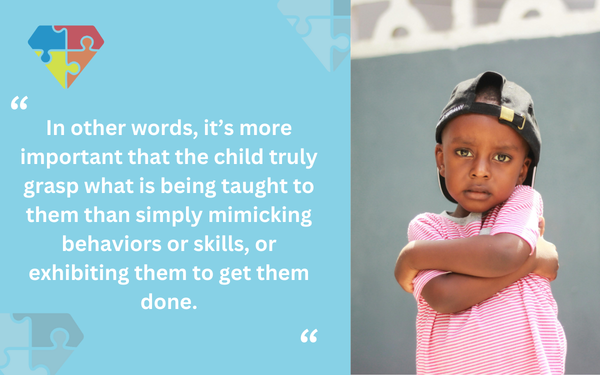
In other words, it’s more important that the child truly grasp what is being taught to them than simply mimicking behaviors or skills, or exhibiting them to get them done.
“Busy sessions” tend to lose the focus on quality and instead focus on quantity. Therapists may pack in a lot of different tasks to a session, for example, which may not result in true understanding.
When this happens, it may be harder for the child to generalize the skills and behaviors they’re being taught, which ultimately doesn’t help them become independent.
They Can Lead to a Breakdown of Trust
A major factor in the success of ABA therapy is the rapport and relationship that’s built between the child and their primary therapist. If the child doesn’t trust the therapist and doesn’t like to be around them, they’re less likely to comply with what’s being asked of them.
It’s common for repeated “busy sessions” to lead to a breakdown of the trust and relationship that the therapist built with the child when the therapy began. This pairing, as it’s known, is crucial to effective and sustainable ABA therapy that not only teaches new skills and behaviors but ensures that the child is able to master them in the long run.
When a child feels as though they’re sessions are too busy or intense, they lose engagement, they have meltdowns, they feel distressed and they aren’t happy. The person they’re most likely to blame for this is the therapist with whom they’re working.
That’s why it’s essential to achieve the right balance of intensity, fun and breaks so the child not only complies during ABA therapy sessions but is excited to participate.
Blue Gems ABA Creates Child-Centered Treatment Plans
Just because your child is doing a lot in ABA therapy doesn’t necessarily mean their therapy is effective. In fact, “busy sessions” can lead to many negative results in ABA therapy if they’re not properly managed.
At Blue Gems ABA, we create child-centered treatment plans that are based on each child’s unique strengths, challenges, preferences and needs. Not only does this help inform us of the most appropriate goals, strategies and tools to use for your child, but it also helps us balance the need for intense sessions with your child’s desire to have fun and take breaks.
To learn more, please contact us today.
| Frequently Asked Questions | Answer |
|---|---|
| Is more ABA therapy always better? | Not necessarily. Therapy must be effective, individualized, and balanced with breaks and engagement to support real learning. |
| How can I tell if my child is overwhelmed in sessions? | Signs may include increased meltdowns, avoidance behaviors, fatigue, irritability, or resistance to attending therapy. |
| What should effective ABA sessions look like? | Effective sessions include structured learning, meaningful practice, natural reinforcement, breaks, and activities the child enjoys. |
| Can busy sessions affect my child’s relationship with their therapist? | Yes. Sessions that feel too intense or stressful can weaken trust and reduce cooperation over time. |
| What should I do if I’m concerned about my child’s ABA sessions? | Talk openly with your child’s ABA team and advocate for a more balanced, child-centered approach if needed. |
 617-297-7998
 617-340-3371


 English
  Spanish