


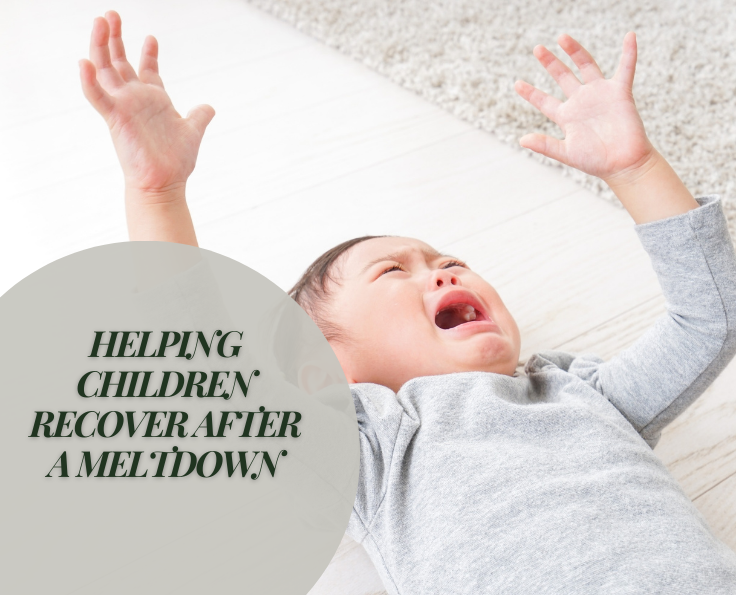
Parents of children with autism spectrum disorder (ASD) are often faced with challenges associated with intense emotional responses their children have when they’re feeling overwhelmed. Known as meltdowns, they can happen for a number of reasons, and they’re not always easy to prevent.
Children with autism commonly experience challenges that their neurotypical peers do not. This includes deficits in communication, trouble with social interactions and sensory sensitivities.
They may become easily anxious and overwhelmed if they’re in a crowded place, have to interact with others or are faced with loud sounds, bright lights or strong smells. With trouble communicating how they are feeling and what they need, the emotions might eventually boil over and come out as a meltdown.
While it’s certainly challenging, parents can learn how they can best support their children before, during and after a meltdown with the proper guidance through your child’s ABA therapy (applied behavior analysis) team.
In this article, we’ll focus on helping children recover after a meltdown.
Key Takeaways
- Children with autism may experience meltdowns when they feel overwhelmed by sensory input or emotional stress.
- Providing space and reducing stimulation can help children calm down more effectively.
- Safe stimming behaviors are often helpful for emotional self‑regulation.
- Waiting before discussing the meltdown allows the child time to fully recover.
- Reassurance and emotional validation help children feel supported and understood.
- Identifying triggers can help prevent future meltdowns and improve coping strategies.
Environment
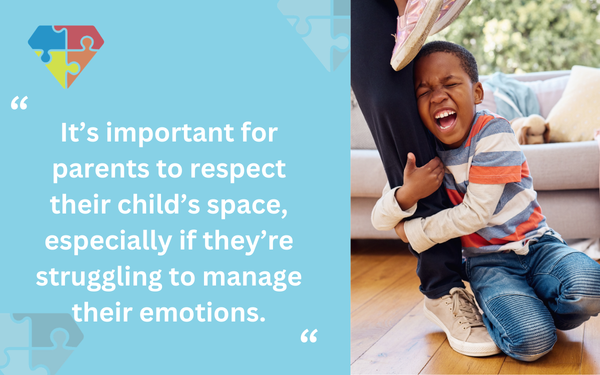
Many children with autism who are having a meltdown need space. When parents overcrowd their child, grab them and try to intervene, it can often cause the situation to escalate and the child to feel even more overwhelmed.
It’s important for parents to respect their child’s space, especially if they’re struggling to manage their emotions.
Your child may exhibit self-stimulatory behaviors such as tapping their feet or rocking back and forth to try to center themselves. The important thing is to make sure that your child’s stimming behaviors are not harmful to themselves and others, or that there is a safe space they can go to if that’s not yet under control.
A quiet and comfortable area that has low lights and either no sound or soft sounds can allow your child the proper time and space to calm down. You can set up a space like this in your home where your child can go if they’re having a meltdown, filling it with things that might help them such as fidget toys, weighted blankets or noise-cancelling headphones.
| Stage | What Parents Should Do | Why It Helps |
|---|---|---|
| Create Space | Give your child physical space and avoid crowding or grabbing them. | Prevents additional overwhelm and reduces the risk of escalation. |
| Provide a Calm Environment | Move your child to a quiet space with dim lighting and minimal sound. | Reduces sensory overload and helps the nervous system settle. |
| Allow Self‑Regulation | Allow safe stimming behaviors such as rocking, tapping, or pacing. | These behaviors can help your child regulate emotions and regain control. |
| Wait Before Talking | Give your child time to fully calm down before discussing what happened. | Prevents re‑triggering emotions and allows clearer communication. |
| Offer Reassurance | Approach calmly and reassure your child they are safe and not in trouble. | Builds emotional safety and strengthens trust. |
| Identify Triggers | Discuss possible triggers once your child is calm and receptive. | Helps parents understand patterns and reduce future meltdowns. |
Behavior
How the parent acts and reacts during and after a child’s meltdown plays an integral part in how it goes.
As mentioned, it’s important for parents to respect their child’s space, and this goes for after they have calmed down. While it may be tempting to immediately go to your child when the meltdown has subsided, it’s best to give them time to fully come down.
After about 30 minutes, you might find it OK to approach your child to discuss the meltdown. It’s important not to reprimand them but to reassure them that you understand the meltdown isn’t their fault and that they’re safe.
Be supportive of your child.
Encourage them to communicate how they’re feeling, be receptive to what they’re saying and patient as they do. Validate their feelings by acknowledging that what they were experiencing was overwhelming and real.
Don’t focus on the behaviors during the meltdown. Instead, try to help your child identify what some of the triggers might have been so you can help them manage better in the future.
Self-Care
Meltdowns can be physically and mentally draining, to both the child and the parents. If you want to support your child to the best of your abilities all the time, you need to practice self-care.
This becomes especially important after a meltdown. One of the best ways you can help your child recover after a meltdown is to recover in a healthy way with them.
Make sure you are all well-hydrated and have enough food in you, as the physical toll of a meltdown can be intense.
When your child is no longer around, or has gone to bed at night, engage in healthy behaviors that help you relax and calm yourself. Read a book, watch TV, exercise or do whatever it is that keeps you in the right physical and mental state so you can best support your child with autism through all the challenges they are sure to face.
Blue Gems ABA Helps Supports Parents of Children with Autism
Children with autism may experience more meltdowns than their neurotypical peers, and they may be more severe. As a parent, it’s important to know how to best manage them during and after so your child is well supported.
At Blue Gems ABA, we integrate parents and caregivers into the ABA therapy treatment plan to help teach them skills they can use at home. This includes supporting them as they look to help their children recover after a meltdown.
To learn more, please contact us today.
FAQs
How long should I wait before talking to my child after a meltdown?
It is often helpful to wait around 20–30 minutes or until your child appears fully calm before discussing the situation.
Should I stop my child from stimming during a meltdown?
Not necessarily. If the behavior is safe and not harmful, stimming can actually help your child regulate their emotions.
What kind of environment helps a child recover from a meltdown?
A quiet space with low lighting, minimal noise, and comforting tools such as fidget toys or weighted blankets can help your child recover.
Is it okay to talk about what caused the meltdown later?
Yes. Once your child is calm and receptive, discussing triggers can help both of you better understand and manage similar situations in the future.
How can parents take care of themselves after a meltdown?
Parents should also practice self‑care by hydrating, eating, and engaging in relaxing activities so they can continue supporting their child effectively.
