
How Siblings Experience ABA Therapy at Home
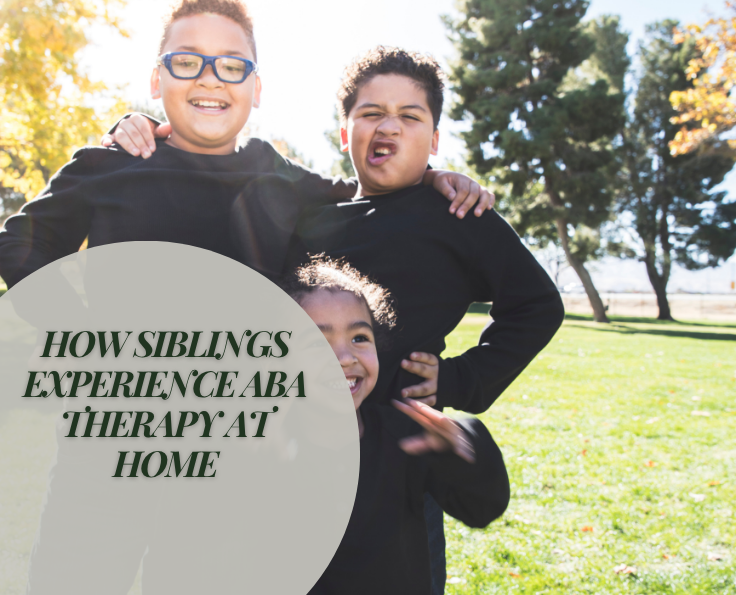
When a child with autism spectrum disorder (ASD) begins applied behavior analysis (ABA therapy), the entire household dynamic shifts. For families receiving in-home services, the living room might become a learning center, and the dining table may double as a workstation.
While the primary focus of ABA therapy is on the patient, the presence of siblings is a significant factor in the success of the program.
Siblings play a unique and vital role in the life of a child with autism. They are often the first playmates, the most consistent social models and the lifelong companions of their brothers or sisters. Understanding how siblings experience the introduction of ABA therapy into the home is essential for creating a supportive environment for all members of the family.
At Blue Gems ABA, we view therapy as a family-centered journey.
In this article, we will explore the impact of in-home ABA therapy on siblings and how therapists work to ensure the experience is positive and inclusive for everyone.
Table Of Contents
How Siblings Navigate the New Normal
For neurotypical siblings, having a team of therapists enter the home for several hours a week can be a major adjustment. They may feel a range of emotions, from curiosity and excitement to occasional feelings of jealousy or confusion.
One of the most common experiences for siblings is the special attention dynamic. They see their brother or sister receiving one-on-one interaction from a therapist often involving toys, games and high-energy praise.
This might cause a sibling to feel left out or wonder why they aren’t getting the same level of structured play.
Yet, when managed correctly, ABA therapy can actually strengthen the bond between siblings. It provides a structured way for them to learn how to interact with their brother or sister, reducing frustration and increasing successful interactions.
How ABA Therapy Adapts to Include Siblings
ABA therapy is highly individualized. In a home setting, that means accounting for the family structure. Before therapy begins, Board Certified Behavior Analysts (BCBAs) observe the family’s daily routines to see how siblings interact.
The goal is to integrate therapy into the natural flow of the home so that it feels like a support system and not an intrusion.
Here are examples of how ABA therapy adapts to support and involve siblings …
Strategies for a Positive Sibling Experience
The success of in-home ABA therapy depends heavily on open communication and the inclusion of every family member. Therapists use several behavioral strategies to ensure siblings feel valued and supported.
The Power of ‘Special Helper’ Roles
Siblings can be invited to participate in specific parts of the session.
For example, a therapist might ask a sibling to model how to take turns during a board game. This empowers the sibling and provides the child with autism an example to follow from a peer, which is often more impactful than a therapist doing so.
Reinforcement for the Whole Family
ABA therapy uses positive reinforcement to encourage desirable behaviors. When a sibling is being patient, helpful or engaging appropriately with their brother or sister, they should receive reinforcement, too.
This might mean earning a special activity with the therapist and their sibling, which ensures that the presence of the therapist is associated with positive outcomes for everyone.
Setting Boundaries and Expectations
It is equally important for siblings to know when it is therapy time and when it is sibling time. Therapists work with parents to establish clear boundaries.
This might involve using a visual “on/off” sign for the therapy room. When the sign is “On,” the sibling knows the therapist is working. When it is “Off,” the therapist might facilitate a group game that everyone can enjoy.
Parent Training and Emotional Support
A big part of ABA therapy is supporting the parents, and this includes helping them balance their time. Therapists can provide strategies for parents to ensure they are getting special time with their neurotypical children, preventing a situation where their needs are overshadowed by the intensive needs of the child with autism.
Blue Gems ABA Takes a Family-Focused Approach to Therapy
At Blue Gems ABA, we understand that autism affects the whole family. When we enter a home, we are there to help the entire family unit thrive.
We recognize the incredible value that siblings bring to the process, and we strive to make them feel like an essential part of the team.
By fostering a home environment where siblings are educated, included and supported, we help create a foundation for lifelong connection and mutual understanding.
To learn more, please contact us today.
 617-297-7998
 617-340-3371


 English
  Spanish